

What Is Spinal Stenosis and How Is It Treated Without Surgery?
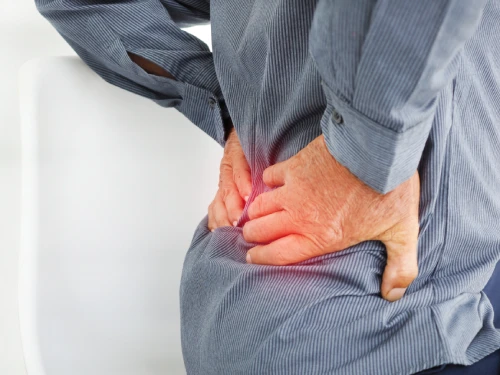
If you’ve been told you have spinal stenosis or you’re dealing with back pain, leg weakness, or numbness, you’re not alone. Spinal stenosis is one of the most common conditions that affects the spine, especially as people get older. But it can also affect younger adults, particularly those with a history of disc problems, arthritis, or injury. The good news is that many people in Tampa and Carrollwood are able to manage spinal stenosis without surgery.
This article explains what spinal stenosis is, what causes it, and how non-surgical treatment options can help you feel better and move more confidently.
What Is Spinal Stenosis?

Spinal stenosis happens when the space inside your spine becomes too narrow. This narrowing can press on the spinal cord or the nerves that travel through the spine. It can occur in different areas, but most commonly affects the neck (called cervical stenosis) and the lower back (called lumbar stenosis).
When the nerves get irritated or compressed, it can lead to pain, numbness, tingling, or weakness in different parts of the body. Some people feel these symptoms all the time, while others notice them more during certain movements or positions.
What Causes Spinal Stenosis?
There are several possible causes. In some people, spinal stenosis is something they were born with. But in most cases, it develops over time due to wear and tear or injury. Common causes include:
-
- Arthritis or degenerative joint changes
- Herniated discs
- Thickened ligaments in the spine
- Bone spurs
- Previous spine trauma or car accidents
At HealthSpine Chiropractic in Carrollwood, we often see patients who developed spinal stenosis after years of repetitive movements, poor posture, or auto accidents.
Common Symptoms of Spinal Stenosis
Not everyone with spinal stenosis experiences symptoms right away, but over time, the condition can cause:
-
- Pain in the lower back or neck
- Numbness, tingling, or burning in the arms or legs
- Weakness or heaviness in the legs, especially after walking
- Poor balance or changes in walking
- Pain relief when leaning forward or sitting down
- Trouble standing for long periods
If you have these symptoms, especially if they come on with standing or walking and get better with sitting or bending forward, spinal stenosis may be the cause.
How Is Spinal Stenosis Diagnosed?
The process usually starts with a detailed history and physical exam. A chiropractor or physician will look at your posture, range of motion, and how your nerves are functioning. If spinal stenosis is suspected, an MRI or CT scan is often recommended to confirm the diagnosis and locate the affected area.
At HealthSpine Chiropractic, we don’t just look at the imaging. We take the time to understand your symptoms and compare them with your scans. This matters because sometimes a scan shows stenosis, but the person has no symptoms. In other cases, a patient has clear nerve symptoms, but the MRI findings are subtle. Matching your symptoms with your imaging helps us create a care plan that actually makes sense.
Do You Always Need Surgery for Spinal Stenosis?
Not at all. In fact, most people with spinal stenosis in Tampa and Carrollwood respond well to conservative care. Surgery is usually only considered if there is severe nerve compression, loss of control over bowel or bladder, or progressive weakness that doesn’t improve with other treatments.
Many people come to our clinic after being told to “wait until it gets worse.” We believe early care leads to better outcomes and gives you more options for non-invasive treatment.
Non-Surgical Treatments for Spinal Stenosis
Here’s what many of our patients in Tampa and Carrollwood are using to successfully manage their symptoms without surgery.
Chiropractic Care
Chiropractic treatment can help reduce pressure on the spine by improving joint movement, flexibility, and posture. We use gentle techniques that are tailored to your comfort and condition. We may also use spinal decompression or manual therapy to help create space for the nerves and reduce inflammation.
Acupuncture and Dry Needling
These treatments help relax tight muscles, reduce nerve sensitivity, and improve blood flow to areas that need healing. Acupuncture works well for calming irritated nerves, while dry needling targets specific muscle tension patterns.
Postural Training and Movement Corrections
If poor posture or movement habits are making your symptoms worse, we teach you how to correct them. Learning how to stand, walk, and sit in ways that reduce pressure on the spine can make a big difference. We also provide ergonomic tips for work and daily activities.
Stretching and Strengthening
We focus on gentle stretches that open the spine and reduce nerve tension. Strengthening the core, glutes, and hips supports better movement and helps protect your spine from further irritation. You won’t do high-impact exercises, but instead build strength in ways that support healing.
AI-Powered Rehab and Virtual Reality Tools
We offer advanced rehab options like StrengthFusion, which uses AI-powered resistance to build strength safely. Our virtual reality rehab tools are also designed to improve coordination, reaction time, and balance. These tools are ideal for people with spinal stenosis who want to stay active without overloading their spine.
Additional Therapies
Depending on your needs, we may include cupping therapy, electrical stimulation, cold laser therapy, or custom orthotics. These treatments are part of our integrative approach to helping you feel better, move easier, and get back to what matters.
When Is It Time to See a Specialist?
If you’re experiencing severe or worsening weakness, changes in bowel or bladder control, or symptoms that don’t improve with care, we’ll refer you to a trusted specialist. In many cases, combining chiropractic care with medical evaluation helps avoid unnecessary surgery or delays in treatment.
We work with local providers across Tampa and Carrollwood to make sure our patients get the right care at the right time.
A few common myths we hear from patients:
“You always need surgery for spinal stenosis.”
Most people do not. Conservative care works well for many.
“There’s nothing I can do.”
There are plenty of effective options that don’t involve surgery or medication.
“It’s just part of getting older.”
Aging is normal. Living with constant pain is not.
How We Help at HealthSpine Chiropractic
We take a different approach to spine care. At HealthSpine Chiropractic in Carrollwood, we blend personalized chiropractic care, modern therapies, and honest guidance to help you take control of your spinal health. We start by listening, reviewing your MRI or history, and working together to build a plan that fits your body and your life.
Whether you’ve been dealing with spinal stenosis for years or are just now starting to explore treatment, we’re here to help. We proudly serve the Tampa Bay area, including Carrollwood, Westchase, Northdale, Seminole Heights and Citrus Park.
Ready to Get Started?
If you’re looking for spinal stenosis treatment in Tampa or Carrollwood, we’d be honored to be part of your recovery. Many of our patients feel relief in just a few sessions—and more importantly, they feel heard, understood, and empowered.
Call us at (844) 517-7463 or schedule online here
📍 HealthSpine Chiropractic | Serving Carrollwood, Northdale, Westchase, Seminole Heights, and the Greater Tampa Bay Area
