

What is Going on With Tampa Traffic?
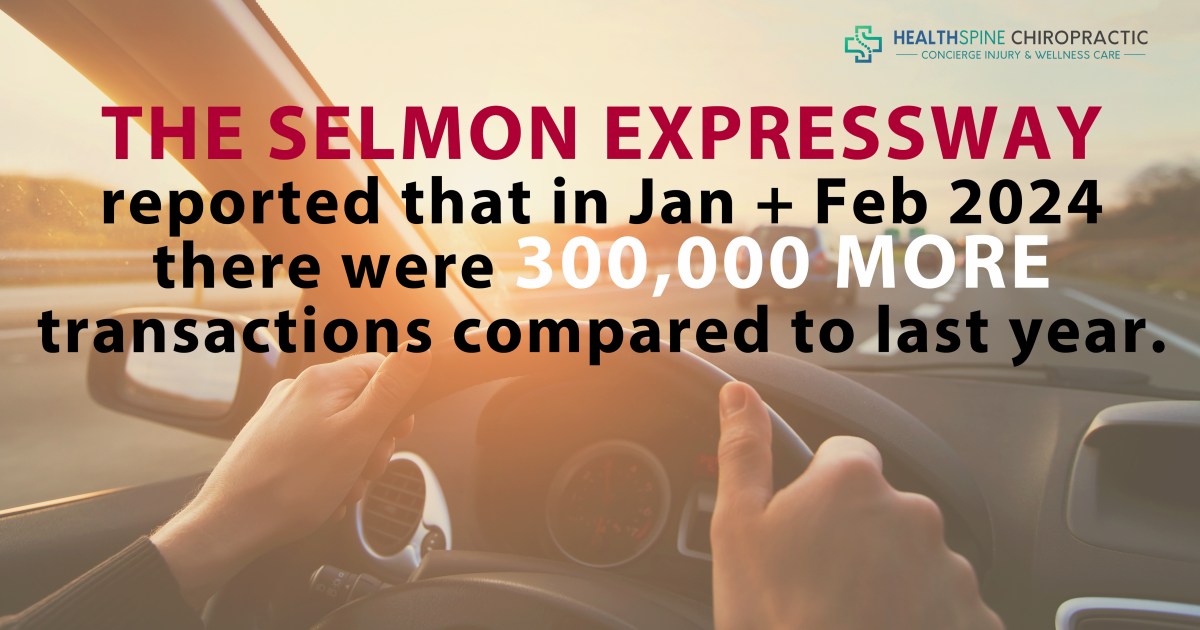
THE SELMON EXPRESSWAY | Tampa Hillsborough Expressway Authority (THEA) CEO Greg Slater said, “If you just look at where we are this year compared to last year, just January and February, we’re at 300,000 transactions on the Expressway above, year-over-year.”
Tampa is a Hotspot Destination
Florida’s Gulf Coast capital, Tampa, is well-known for its flourishing economy, sunny weather, and dynamic culture. But along with all of its attractions is a rising problem that both locals and tourists face: escalating traffic congestion. In this article, we explore the fundamental causes of Tampa’s worsening traffic problems, looking at the intricacies of urban development, population increase, infrastructural constraints, and transportation trends that are influencing the city’s transportation environment. We’ll examine the complexities of Tampa’s traffic problems, examining how the city’s roads are becoming more congested, which in turn raises the number of accidents.
Growth in the Population and Urbanization
The city of Tampa’s rapid urbanization and population increase are major contributors to the traffic congestion that is getting worse. The demand for transportation infrastructure has increased dramatically as more people move to the area in pursuit of affordable housing, work opportunities, and a desirable lifestyle.
According to the United States Census Bureau, Hillsborough Country’s population grew from 1,459,779 residents in April 2020 to 1,535,564 in July 2023.
Congestion during peak hours has been made worse by suburban growth and residential projects outside of the city, which have resulted in lengthier commutes and more traffic on main thoroughfares.
It may get particularly awful during spring break, and on certain days in Tampa Bay, it can seem like rush hour never ends. The Tampa Hillsborough Expressway Authority’s (THEA) CEO, Greg Slater, stated that his company is observing that shift immediately.
“Traffic has increased as a result of this region’s growth,” he stated. Daily evidence of that expansion is being seen. as well as once a week.”
Slater stated that THEA is able to monitor the number of drivers utilizing routes such as the Lee Roy Selmon Expressway due to its toll system. The figures, he warned, might surprise you.
“If you compare January and February of this year to the same months last year, you’ll see that we’ve already reached 300,000 transactions on the Expressway above,” Slater stated.
According to him, such figures don’t even include those for March and April, which are usually much busier. Traffic has increased in Tampa due to events in downtown and the city’s general population expansion.
Due to irritation and tension, driving aggressively and having rear-end crashes are more likely in heavy traffic. Traffic congestion increases the risk to all users of the road by causing distraction and impaired driving. Long trips in congested traffic can be extremely stressful and frustrating, which can trigger strong feelings and aggressive driving habits. Drivers may participate in dangerous actions including speeding, tailgating, and swerving between lanes as they compete for the limited amount of available space on the road and against the time. This aggressive driving style increases the probability of collisions and fosters a hostile driving atmosphere, which increases the danger to everyone using the road.
Restricted Options for Transportation
Tampa’s traffic problems are made worse by the city’s over reliance on cars as the main form of transit. The city’s transit system is still underdeveloped and underutilized, despite initiatives to increase public transportation options and encourage non-traditional forms of mobility including walking and bicycling. In addition, commuters have few practical options except driving, especially for longer trips, due to the lack of comprehensive rapid transport networks like light rail or commuter rail.
The increasing amount of traffic in Tampa puts vulnerable road users, such as bicycles, motorcyclists, and pedestrians, at especially high risk. Pedestrian crossings may become concealed in crowded urban locations, and cyclists may have to negotiate small roads alongside heavy traffic. Vulnerable road users do not have the same protective barriers as enclosed cars, the increased incidence of aggressive driving behaviors raises the danger of collisions involving these users.
Insufficient Infrastructure and Bottlenecks
Tampa’s traffic problems are mostly caused by inadequate transportation infrastructure and bottlenecks in the traffic flow. Roads that are getting older, obsolete crosswalks, and small bridges can’t handle the increasing number of cars on the road, which causes congestion and slowdowns. The city’s congestion hotspots have been made worse by the inadequate investment in capacity growth and infrastructure upkeep, which has resulted in inefficient traffic flow and poor road conditions.
The Selmon Expressway incident has implications for the whole Bay area, spanning from U.S. 19 in Pinellas County to Interstate 4 in east Polk County. Even a project to extend the Expressway to Riverview along U.S. 301 is now in development.
According to Slater, THEA is working on a number of projects to enhance traffic, such as the South Selmon Capacity Project. Additionally, new slip ramps were just opened to relieve Brandon’s traffic congestion.
“My dream scenario is for days when traffic is heavier than usual but never falls below 40 or 50 mph,” Slater stated.
The increasing amount of traffic in Tampa adds to the strain on the city’s transportation system, creating safety risks that raise the risk of car accidents. Conditions that are conducive to crashes include inadequate signage, poorly planned intersections, and a lack of infrastructure specifically intended for bikes and pedestrians. Furthermore, especially on highways and major thoroughfares, rear-end crashes and chain-reaction incidents are more likely to occur as a result of traffic delays and bottlenecks caused by congestion.
Other areas to be cautious of when it comes to car accidents are areas to merge coming off of highways. Dr. Koser here at HealthSpine Chiropractic recommends to be extra careful of the I-4 off ramp at I-275.
“There are always drivers traveling along I-275 and then trying to cut in front of you to merge on to the I-4 off-ramp last minute. It’s a known Tampa traffic issue,” Dr. Koser said.
Commercial Development and Economic Growth
The increasing commercial development and strong economic expansion of Tampa also contribute to the worsening of traffic congestion. The growth of enterprises and the emergence of new developments lead to an increase in commuting traffic and the number of commercial cars on the road. Large crowds are also drawn to the city by important events, conventions, and tourist sites, which causes momentary spikes in traffic volume and congestion. In addition, spring is the time of year when visitors visit locations like ballparks and beaches for spring training and seasonal residents are in town. Not only has the volume of traffic altered, but so has its timing. These economic factors add to the constant traffic jams on Tampa’s roads in the absence of proper transportation planning and infrastructure improvements.
Patterns of Commuting and Travel Practices
Traffic in Tampa is made worse by changes in commuter schedules and travel habits. Travel demand is becoming more distributed throughout the day as a result of the shift in traditional commute patterns brought about by the increase of telecommuting, remote employment, and flexible scheduling. The number of cars on the road has increased due to the introduction of new dynamics to urban mobility by ride-hailing services like Uber and Lyft. Therefore, it’s possible that conventional traffic management techniques won’t be able to handle the changing demands of contemporary transportation.
Slater stated, “We used to not have the amount of traffic that comes downtown in the evenings. Now, we do.”
Slater suggested that the shift might be due to a shift in driving behaviors.
“You’re also observing the rise in the number of workers who operate remotely and their travel habits,” he added. “They may not be in that 8-4, 9-5 peak commute.”
Car Crash Statistics in Hillsborough County
There are a number of financial consequences associated with auto accidents, such as lost productivity, property damage, and medical bills. The economic cost of traffic congestion is becoming more and more evident as accidents caused by congestion put a strain on emergency response capabilities and can interfere with local business operations. According to Florida Highway Safety and Motor Vehicles (FLHSMV), in Hillsborough County for 2023, there were 27,468 total auto accidents. Of these motor vehicle collisions, 18,879 resulted in injuries and sadly there were 232 fatalities.
Effects of the Environment on Life Quality
Beyond the annoyance of drawn-out commutes and traffic jams, increasing traffic congestion affects Tampa citizens’ quality of life and the environment more broadly. Elevated car emissions worsen climate change and put public health at risk by contributing to air pollution and environmental deterioration. Daily traffic congestion can have a negative impact on one’s mental health and general quality of life due to the stress and irritation it causes, which emphasizes the urgent need for sustainable transportation alternatives.
Tampa is an absolutely amazing city to live and work in – there is no question about that. It’s no wonder so many people are moving to Tampa Bay, but commuters’ tolerance and health is being tried by Tampa’s increasing traffic. Congestion on the roadways poses a serious risk of an increase in vehicle accidents and traffic-related fatalities. Aggressive driving, distracted driving, and infrastructural constraints combine to produce a dangerous driving environment on Tampa’s roads that puts everyone’s safety at risk. To tackle these obstacles, a deliberate endeavor is needed to improve the transportation network, encourage defensive driving techniques, and lessen the risk factors that lead to accidents involving vehicles. Tampa can contribute to a future where roads are safer and more suited to effective and sustainable transportation by putting a high priority on public safety and making investments in preventative measures to ease traffic.
Car Accident? Here’s What to Do
If you believe you have life threatening injuries after an auto accident, immediately call 911 and seek medical attention. In cases of non-life threatening injuries following a car accident in Tampa Bay, we are here to help at HealthSpine Chiropractic. Dr. Koser had extensive experience in evaluating and treating injuries such as whiplash, sciatica, and sprain/strains that result from motor vehicle collisions. CLICK HERE to book an appointment.
